I spent part of last weekend at a conference for women called Remarkable Women. It was very well organized and clearly the organizers put heart and soul into it.
 While I learned some great things and met a lot of wonderful women, one of the sessions made a particularly strong impression on me. It was about the concept of midwives and doulas to the dying.
It seems to me that we ‘do’ death so badly in this country for the most part. We take such care for births, baptisms, confirmations, bar/bat mitzvahs, anniversaries, and weddings, but we somehow have a much harder time giving the same attention and intention to dying. A lovely funeral comes a little late for the loved one who has passed on.
That is why, when a friend recently told me about a friend of hers who was training to support terminally ill people and their families, I was deeply touched. This goes way beyond hospice care. Making dying as intentional and loving a process as possible seems so important to me and I was very eager to learn more.
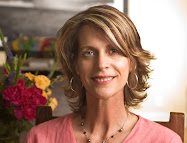
Deanna Cochran is the certified hospice and palliative care nurse who conducted the session. She is part of a growing movement to help manage the emotional, spiritual, and palliative care needs of a dying loved one and his or her family. I spent only an hour with Deanna but I can see that she is following her calling. What a loving and supportive energy she gives out.
Here are the 3 things I learned that are important to offer to those with a dying lvoed one, among others:
Be conscious of the primary caregiver’s and the dying person’s comfort zone. You must be tuned in to their needs and leave your own discomfort and baggage behind.
Shut up and listen. Being silent can be the hardest work of all. But that provides the sacred space for them to go as deep into their pain as they choose.
Advocate for physical relief of symptoms. This is called palliative care and it’s a relatively new concept (I have to shake my head over this) to the medical community for the most part. Deanna is very clear that there is NO reason for someone who is dying to suffer physically. There is always something that can be done to alleviate pain and discomfort. You may have to contact a number of physicians to find one who will work with you on it, but they are out there.
There is much more, but I simply encourage you to go to Deanna’s site to learn more about this very important and sacred service. We also have a WomenBloom article on palliative care written by Dr. Sue Bornstein, former Associate Director of Baylor Medical Center’s Palliative Care Program, if you'd like to know more about how the medical community is thinking about this.